

A hydrogeological investigation used to evaluate the performance of a borewell or well and understand the surrounding aquifer's response to pumping.
A pump test provides important information about the quantity of water that can be sustainably extracted from a groundwater source by monitoring groundwater levels during pumping and subsequent recovery.
Our pump testing services involve systematic measurement and monitoring of groundwater levels before, during, and after pumping. The collected field data is analysed to evaluate borewell performance and relevant groundwater conditions.
Pump Test Services
Accurate pumping tests to evaluate borewell performance, groundwater yield, drawdown, and aquifer response for groundwater development, infrastructure, industrial, and water resource projects.

Understanding Pump Tests

Why Pump Testing is Important?
It is difficult to assess the performance of a borewell through depth or static water level alone. Pump testing provides field-based information about how the well responds when water is extracted and how quickly groundwater levels recover after pumping stops.
Benefits:
- Assessment of borewell yield and performance
- Evaluation of aquifer response to pumping
- Measurement of groundwater drawdown
- Determination of suitable pumping rates
- Assessment of groundwater recovery
- Support for borewell and water supply planning
- Technical information for groundwater management
- Reliable field data for hydrogeological assessment
Our Pump Test Services
We provide pumping tests based on the characteristics of the well and the objectives of the investigation.

Constant Rate Pumping Test
Water is pumped from the well at a controlled and consistent rate while groundwater levels are monitored over a defined period. The resulting data helps assess performance and aquifer response.

Recovery Test
After pumping is stopped, groundwater levels are monitored as they recover towards their original condition. Recovery data provides additional information about the response of the aquifer and well.

Step-Drawdown Test
Pumping is carried out at different flow rates in a series of steps to evaluate well efficiency and understand the relationship between pumping rate and drawdown.

Pump Test Data Analysis
Field measurements are analysed to evaluate parameters such as drawdown, recovery, well performance, and relevant aquifer characteristics.

Groundwater Level Monitoring
Water levels are recorded before, during, and after pumping to establish changes in groundwater conditions and provide data for technical interpretation.
Applications of Pump Testing
Pump tests can support a variety of groundwater and water resource projects, including:
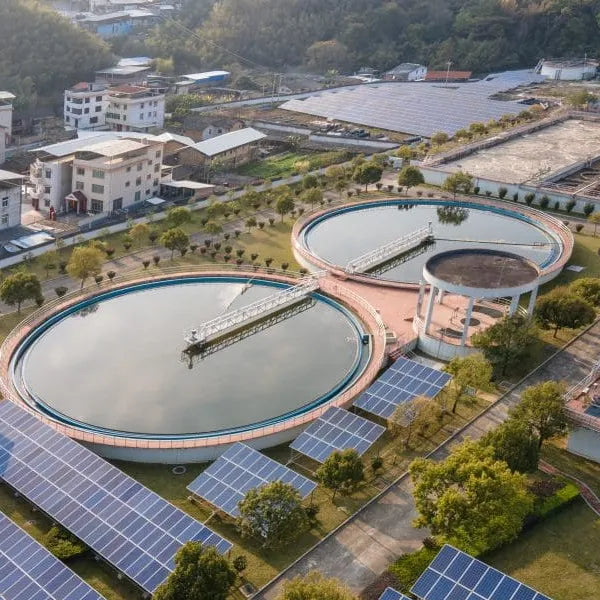
Industrial water supply projects

Groundwater exploration and development
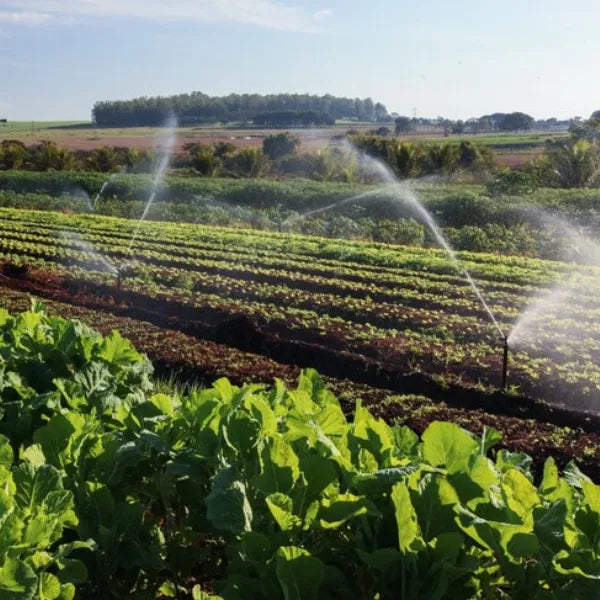
Agricultural and irrigation projects

Residential and institutional projects

Commercial developments
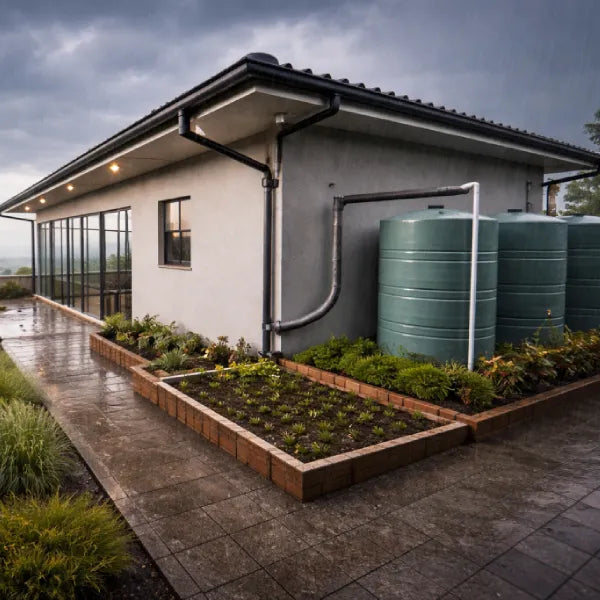
Aquifer studies
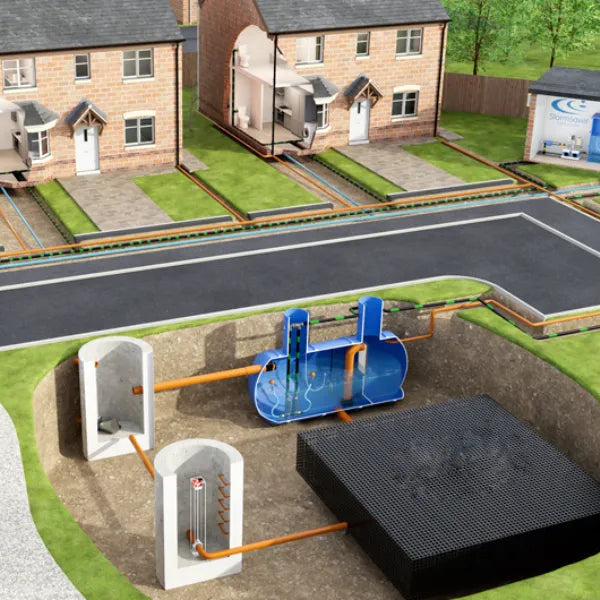
Groundwater resource evaluation
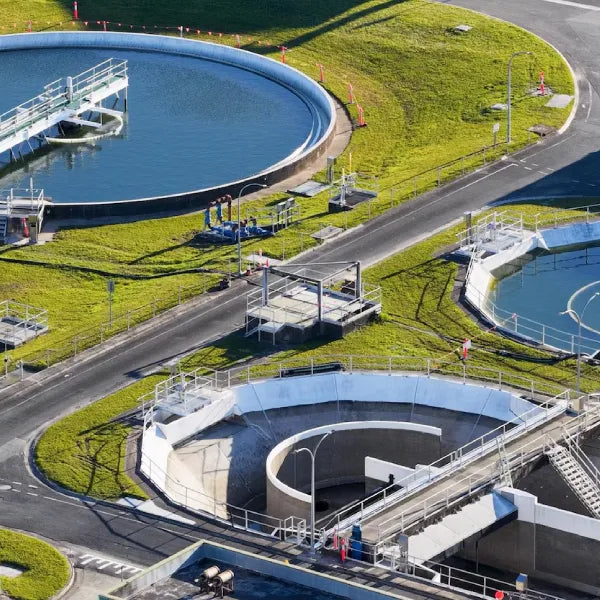
Water supply planning
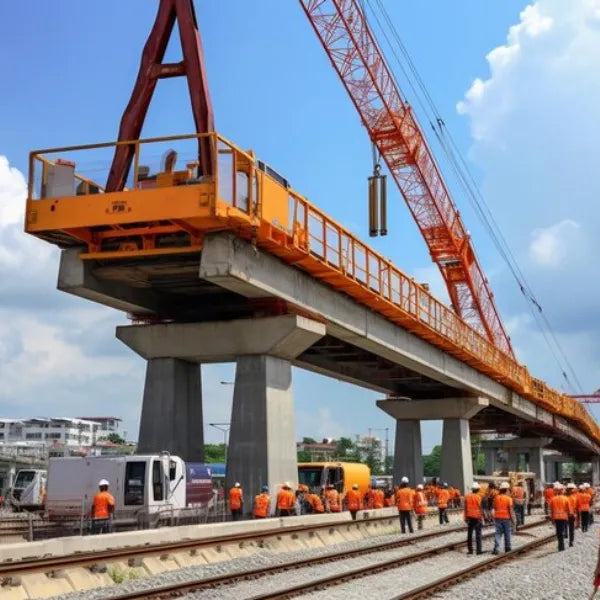
Infrastructure developments

Regulatory and technical assessments
Our Pump Test Process
1. Well & Site Assessment

We begin by reviewing the borewell characteristics, site conditions, groundwater requirements, available information, and objectives of the pumping test.
2. Test Planning

The appropriate testing method, pumping rate, monitoring duration, equipment, and observation points are determined based on the well and project requirements.
3. Initial Water Level Measurement
Static groundwater levels are recorded before pumping begins to establish baseline conditions for comparison during and after the test.
4. Pumping & Monitoring

The well is pumped at the specified rate while groundwater levels and other relevant measurements are recorded at defined intervals throughout the test.
5. Recovery Monitoring
Once pumping is stopped, groundwater levels are monitored during the recovery period to assess how the well and surrounding aquifer respond after pumping.
Data Analysis & Reporting

The collected field data is analysed to evaluate well performance, drawdown, recovery, and relevant groundwater characteristics. The findings are compiled into a technical report.

Why Work With Us?
- Experienced hydrogeologists and groundwater specialists
- Accurate groundwater level monitoring
- Systematic pump testing procedures
- Appropriate pumping and measurement equipment
- Technical data analysis and interpretation
- Detailed drawdown and recovery assessment
- Comprehensive reporting and documentation
- Services across industrial, agricultural, commercial, and infrastructure projects
Need to Assess Your Borewell Performance?
Our team can assist with pump testing, groundwater level monitoring, drawdown and recovery assessment, data analysis, and technical reporting based on your project requirements.

Frequently Asked Questions
A pump test evaluates the performance of a borewell and provides information about groundwater yield, drawdown, recovery, and the response of the surrounding aquifer to pumping.
Recovery monitoring records how groundwater levels return towards their original condition after pumping stops. This provides additional information about well and aquifer response.
A step-drawdown test involves pumping a well at progressively different rates and measuring the corresponding drawdown. It helps assess well efficiency and determine the relationship between pumping rate and drawdown.
Pump test results provide important information for determining an appropriate pumping rate and evaluating borewell performance. Final groundwater extraction limits may also depend on site conditions and applicable regulatory requirements.