

Environmental remediation is the process of identifying, assessing, and managing contamination that may affect soil, groundwater, surface water, or surrounding environments.
Contamination can happen for various reasons, such as industrial operations, chemical handling, fuel storage, waste disposal, accidental spills, or historical activities at a site.
Our team conducts environmental investigations and technical assessments to understand the nature and extent of contamination before recommending an appropriate course of action. By combining hydrogeological expertise, field investigation, and environmental assessment, we help clients address contamination and manage environmental risks effectively.
Environmental Remediation Services
Professional environmental remediation services for assessing, managing, and addressing soil and groundwater contamination across industrial, commercial, infrastructure, and development sites.

What is Environmental Remediation?

Why is Environmental Remediation Important?
Contaminated soil and groundwater can affect environmental quality, groundwater resources, site safety, and future land use. Early assessment and appropriate remediation can help identify potential risks and provide a clear basis for managing affected areas.
Benefits:
- Identification of contaminated soil and groundwater
- Reduction of environmental and groundwater risks
- Assessment of the extent and movement of contamination
- Safer conditions for redevelopment and future land use
- Support for regulatory and environmental requirements
- Technical information for informed project decisions
- Better management of affected sites
Our Environmental Remediation Services

Contamination Site Assessment
Investigation of potentially contaminated areas to identify sources, affected zones, and the nature of contamination.

Groundwater Remediation
Investigation and management of groundwater contamination, including assessment of groundwater conditions and contaminant movement.

Soil Remediation
Assessment and management of contaminated soil through appropriate treatment, removal, containment, or other site-specific measures.

Environmental Monitoring
Ongoing sampling and assessment to track environmental conditions and evaluate the effectiveness of remediation measures.
Applications Across Industries
Our environmental remediation expertise can support:
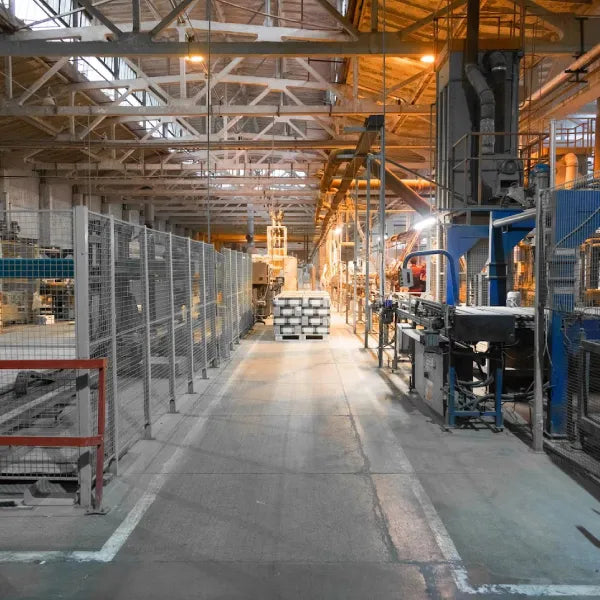
Industrial and manufacturing facilities
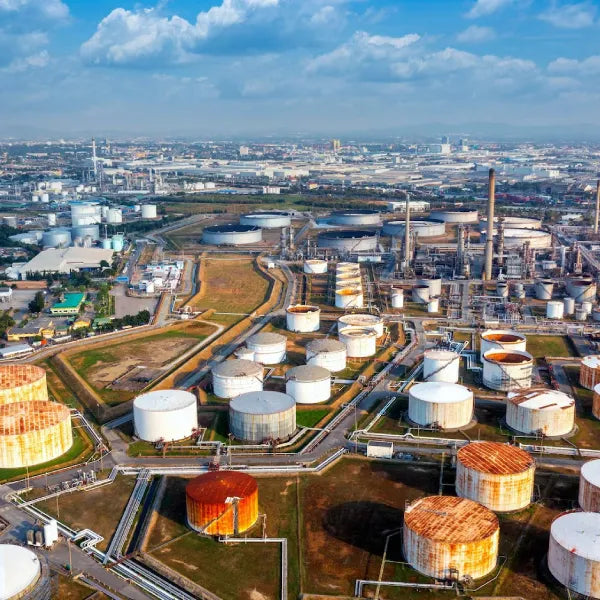
Oil and fuel storage facilities
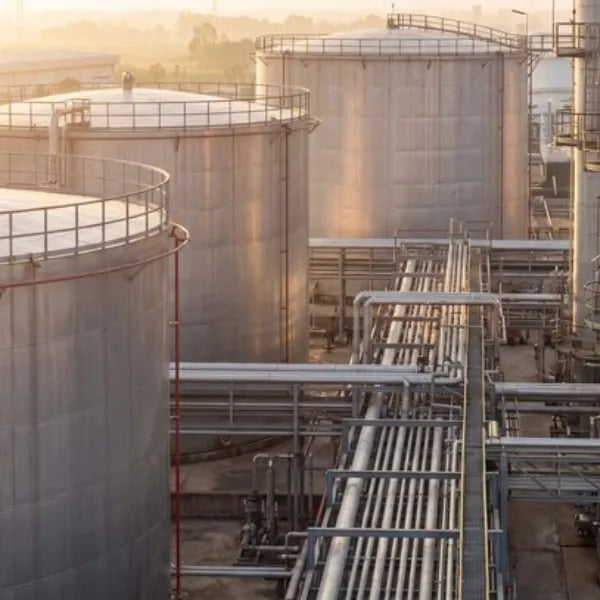
Chemical and processing units
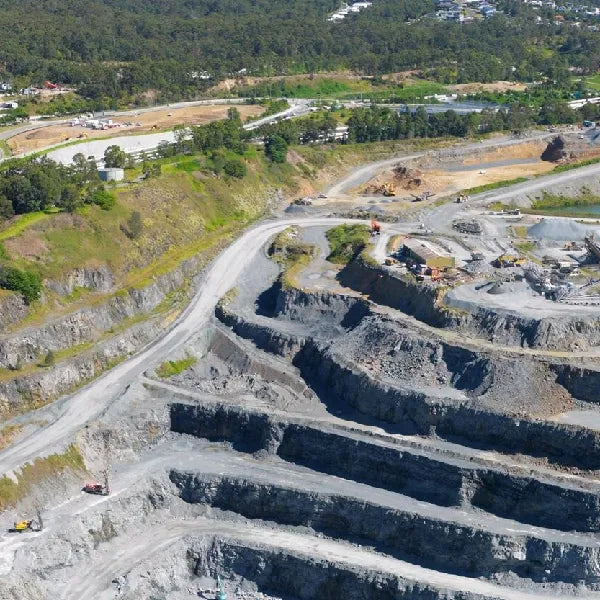
Mining sites
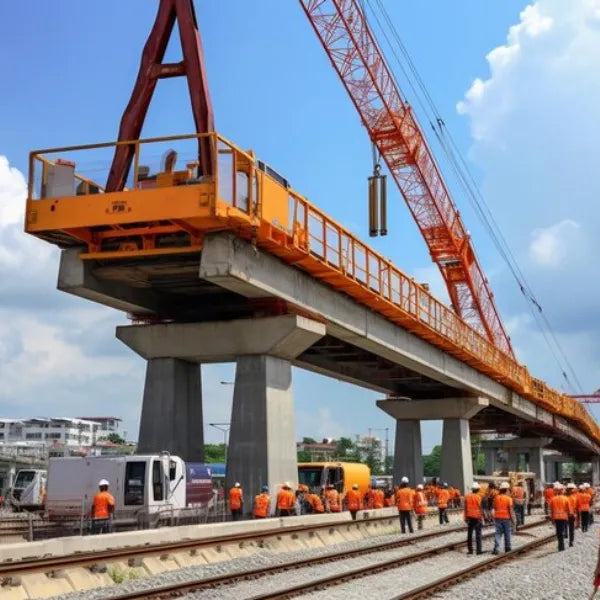
Infrastructure projects
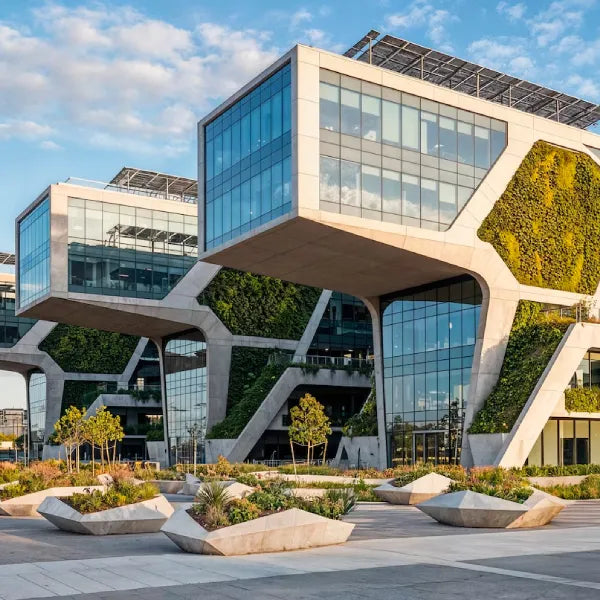
Commercial developments

Warehouses and logistics facilities
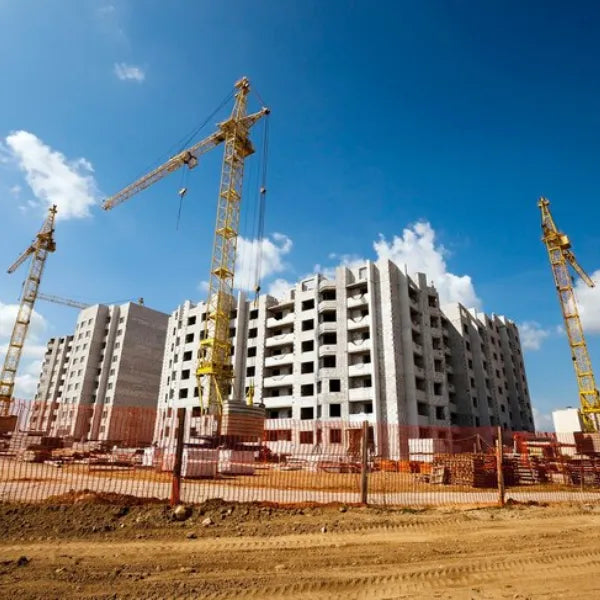
Construction and redevelopment sites

Government and institutional properties
Our Process
1. Site Assessment
We begin by reviewing the site's history, current use, surrounding conditions, and potential sources of contamination to understand the environmental concerns and define the scope of investigation.
2. Environmental Investigation

Our team conducts field investigations and collects relevant soil, groundwater, or other environmental samples to identify the type, location, and extent of contamination.
3. Data Analysis

Field and laboratory data are analysed to assess contamination levels, understand subsurface conditions, and evaluate potential risks to groundwater, soil, and the surrounding environment.
4. Remediation Planning

Based on the investigation findings, we develop a suitable remediation strategy. The approach may include treatment, removal, containment, monitoring, or a combination of measures depending on site conditions.
5. Implementation & Monitoring

The selected remediation measures are implemented with appropriate technical oversight. Where required, ongoing monitoring is carried out to evaluate environmental conditions and assess the effectiveness of the remediation programme.

Why Work With Us?
- Experienced environmental and hydrogeological specialists
- Detailed environmental investigation and assessment
- Site-specific remediation strategies
- Technical reporting and documentation
- Accurate data analysis and interpretation
- Groundwater and soil remediation expertise
- Commitment to environmental safety and regulatory compliance
- Timely project execution
Need Help Assessing an Environmental Concern?
Speak with our technical team about site investigation, contamination assessment, remediation planning, and environmental monitoring.

Frequently Asked Questions
Environmental remediation involves identifying, assessing, and managing contamination in soil, groundwater, surface water, or other environmental media to reduce associated risks and support safe site use.
Contamination can be assessed through site investigations, environmental sampling, laboratory analysis, groundwater studies, and other appropriate technical investigations.
Remediation may be required when soil or groundwater contamination is identified or suspected to result from industrial activities, chemical handling, fuel storage, waste disposal, spills, or previous land use.
The duration varies depending on the size of the site, type and extent of contamination, selected remediation approach, site conditions, and monitoring requirements.
Yes. Groundwater remediation is possible, but the appropriate method depends on the type and concentration of contaminants, groundwater conditions, their distribution, and the characteristics of the site.
No. The appropriate response depends on the nature of the contamination, environmental risk, site conditions, applicable requirements, and intended land use. Treatment, containment, controlled management, or monitoring may be considered where appropriate.
Monitoring may be required to evaluate changes in groundwater quality and determine whether remediation measures are achieving the intended results. The monitoring period depends on the site and project requirements.
Contamination can be assessed through site investigations, environmental sampling, laboratory analysis, groundwater studies, and other appropriate technical investigations.
Yes. We provide support across the remediation process, including site assessment, environmental investigation, technical evaluation, remediation planning, monitoring, and reporting.