

Geotechnical investigation is an important part of construction and infrastructure planning. It provides information about the soil, rock, groundwater, and subsurface conditions at a site before construction begins.
Understanding these is important for engineers and project teams to make appropriate decisions about foundations, structural design, excavation, and overall site development.
Our geotechnical services involve field investigation, soil and rock assessment, testing, and technical evaluation to establish the engineering characteristics of the ground. The scope of investigation is determined according to the nature of the project, site conditions, and design requirements.
Geotechnical Investigation Services
Professional geotechnical investigation services to assess soil, rock, and subsurface conditions for construction, infrastructure, commercial, and industrial projects.

Understanding Geotechnical Investigations

Why is Geotechnical Investigation Important?
Ground conditions can vary significantly even within the same project site. A detailed geotechnical investigation helps identify these variations before construction and provides engineers with the information required to design foundations and other structural elements appropriately.
Benefits:
- Better understanding of soil and subsurface conditions
- Assessment of soil strength and engineering properties
- Identification of groundwater conditions
- Identification of potential ground-related risks
- Support for appropriate foundation design
- Reduced uncertainty during project execution
- Technical information for excavation and construction planning
- Reliable data for engineering and structural design
Our Geotechnical Services
We provide geotechnical investigation and testing services based on the requirements of each project.

Soil Investigation
We investigate subsurface soil conditions to determine soil profiles, engineering properties, and variations across the site. The findings provide essential information for foundation and structural design.

Borehole Investigation
Boreholes are drilled at selected locations to obtain information about subsurface strata at different depths. The investigation helps establish the geological profile and identify relevant soil or rock formations.

Standard Penetration Test
Standard Penetration Tests (SPT) are conducted during borehole investigations to assess the relative density or consistency of subsurface soils and obtain data used in geotechnical design.

Soil Sampling & Testing
Soil samples are collected from relevant depths and may be tested to determine properties such as grain size, moisture content, density, strength, and other engineering characteristics.

Rock Investigation
Where rock formations are encountered, investigation and sampling help assess rock quality, strength, weathering, and other characteristics relevant to construction and foundation design.

Groundwater Assessment
Groundwater levels and subsurface water conditions are assessed where relevant, particularly for projects involving deep foundations, basements, excavation, or other below-ground construction.
Applications Across Industries
Our geotechnical services support a wide range of construction and infrastructure projects, including:

Residential and commercial buildings
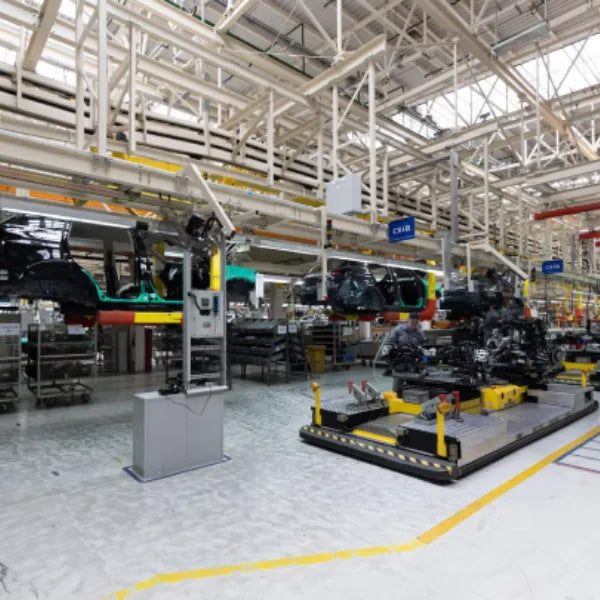
Manufacturing units
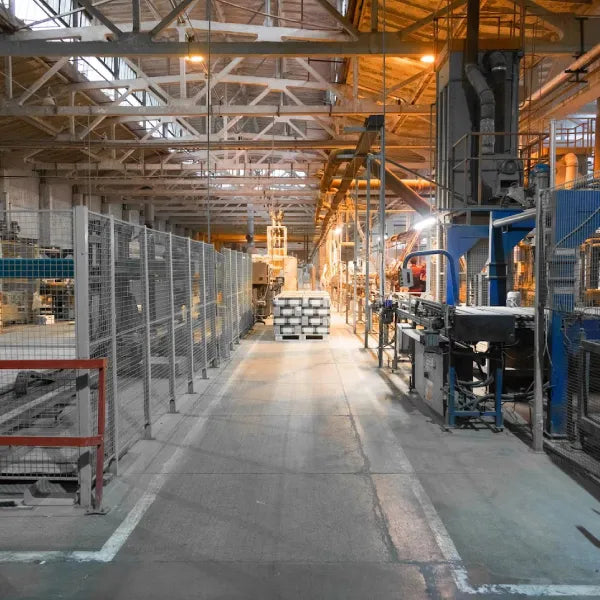
Industrial facilities

Roads and highways
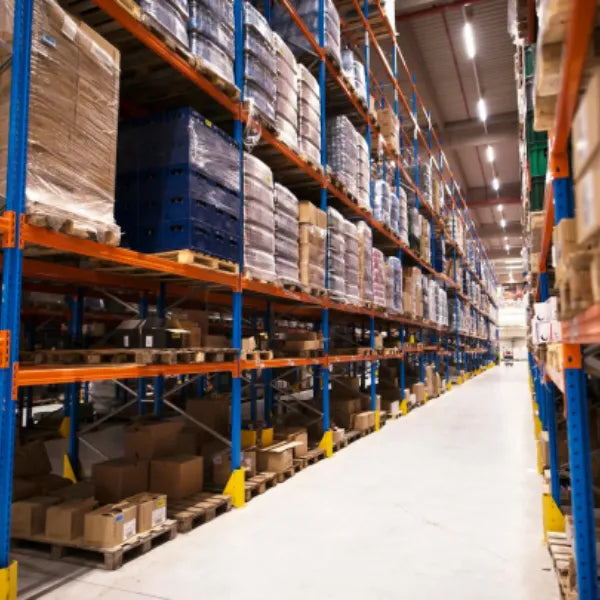
Warehouses and logistics facilities
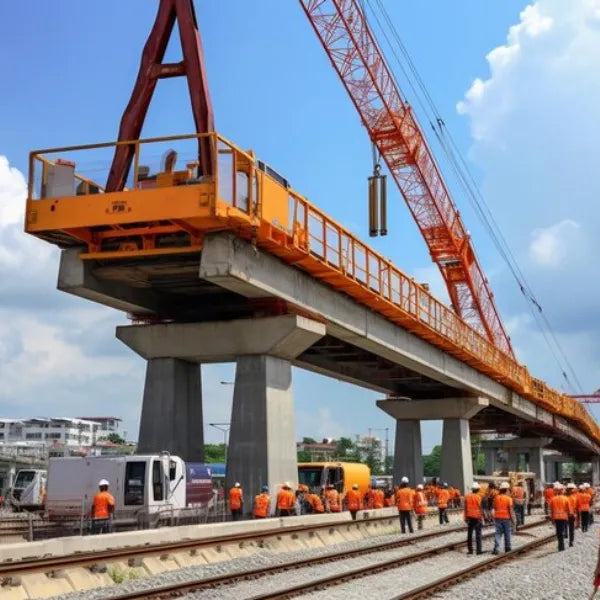
Bridges and infrastructure projects
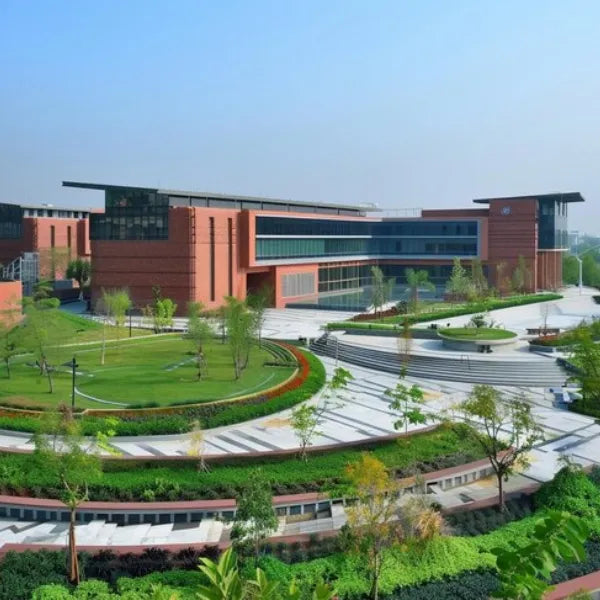
Educational institutions
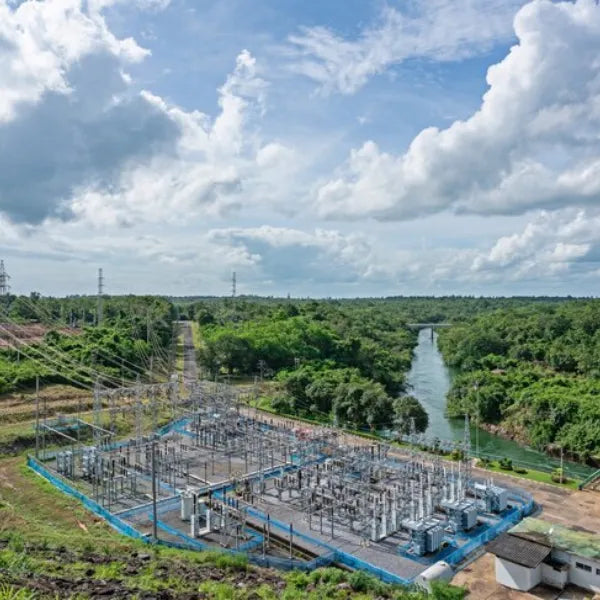
Power and utility projects

Hospitals and healthcare facilities

Government and institutional developments

Smart City Projects
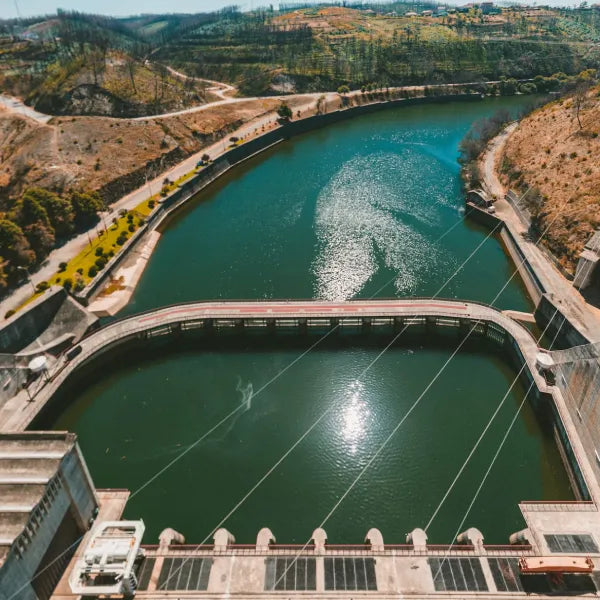
Water Supply Projects
Our Geotechnical Investigation Process
1. Project & Site Assessment

We begin by understanding the project type, proposed construction, site conditions, and available information to determine the scope of investigation required.
2. Field Investigation

Boreholes, soil investigations, in-situ testing, and other appropriate field investigations are carried out at selected locations to establish subsurface conditions.
3. Sampling & Testing
Representative soil and rock samples are collected during the investigation and subjected to relevant laboratory or field testing to determine their engineering properties.
4. Data Analysis & Interpretation
Field and laboratory results are analysed to establish soil profiles, groundwater conditions, engineering parameters, and other factors relevant to the proposed development.
5. Technical Reporting
The findings are compiled into a detailed geotechnical report containing investigation results, interpreted data, and relevant technical recommendations to support engineering and construction decisions.

Why Work With Us?
- Experienced geotechnical and hydrogeological specialists
- Standard field and laboratory testing methods
- Detailed soil and subsurface investigations
- Accurate data analysis and interpretation
- Groundwater assessment support
- Timely project execution
- Technical reporting and documentation
- Services across residential, commercial, industrial, and infrastructure sectors
Planning a Construction or Infrastructure Project?
Our team can assist with geotechnical investigation, soil and rock assessment, field testing, groundwater evaluation, and technical reporting based on your project's requirements.

Frequently Asked Questions
It helps engineers understand the ground conditions and determine suitable foundation and construction approaches while identifying potential subsurface risks before construction begins.
The number and depth of boreholes depend on factors such as project size, building type, foundation requirements, site conditions, and applicable engineering standards.
Depending on the scope, an investigation can provide information about soil layers, soil strength, engineering properties, rock formations, groundwater levels, and other subsurface characteristics.
Yes. Soil samples may be collected from different depths during borehole drilling and field investigations. These samples can then be tested to determine relevant engineering properties.
Yes. The findings from field investigations and testing are compiled into a technical report containing relevant site information, test results, interpretations, and recommendations for engineering and construction purposes.